Fiddle or Banjo: Choosing a Lead for a Dance Tune
Fiddle or banjo for a dance tune? Learn how melody, pulse, and arrangement space point to a lead that keeps the tune clear for dancers and bandmates.
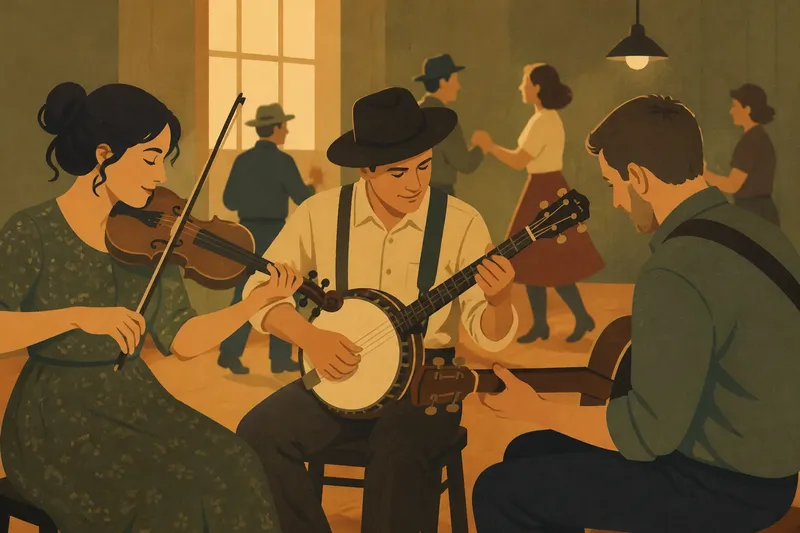
Fiddle or banjo can lead the same dance tune in very different ways: the fiddle can carry a connected melody, while the banjo can make its rhythmic outline leap from the strings. If a dance tune sounds crowded, faint, or stiff, try changing the lead before changing the tune.
Choose by listening for what the arrangement needs people to follow: melodic detail, a steady pulse, or more space between parts. The right lead is the one that makes the tune’s defining feature easiest to hear.
Melodic clarity
A fiddle can shape a line across quick notes, held tones, and turns between phrases. The bow lets notes flow into one another, which helps when a tune depends on a recognizable contour or a smooth run.
A banjo lead can make a melody sparkle, but its distinct attacks may separate notes that need to feel connected. If a fast passage loses its shape, simplify the accompaniment, avoid doubling every melody note, and leave phrase endings open.
When a tune’s identity rests on sustained notes or a sweeping phrase, put the fiddle in front and let the banjo mark rhythmic edges. If its character comes from sharply outlined notes, the banjo may make the melody’s shape easier to grasp.
Pulse and drive
A fiddle can lead with a strong rhythmic bow, but a long, singing phrase may draw attention from the beat if the rest of the band leaves it unsupported. A banjo’s crisp attack can make subdivisions easy to hear, especially when the melody uses short, clearly placed notes.
The reverse can happen when a banjo part gets so busy that the underlying beat is hard to grasp. Keep the lead phrase lean and make the guitar’s chord pattern or another accompaniment part more distinct.
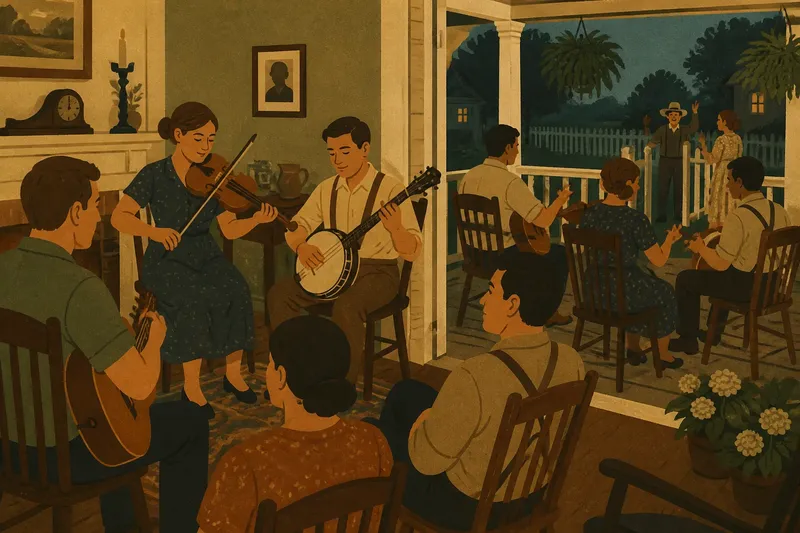
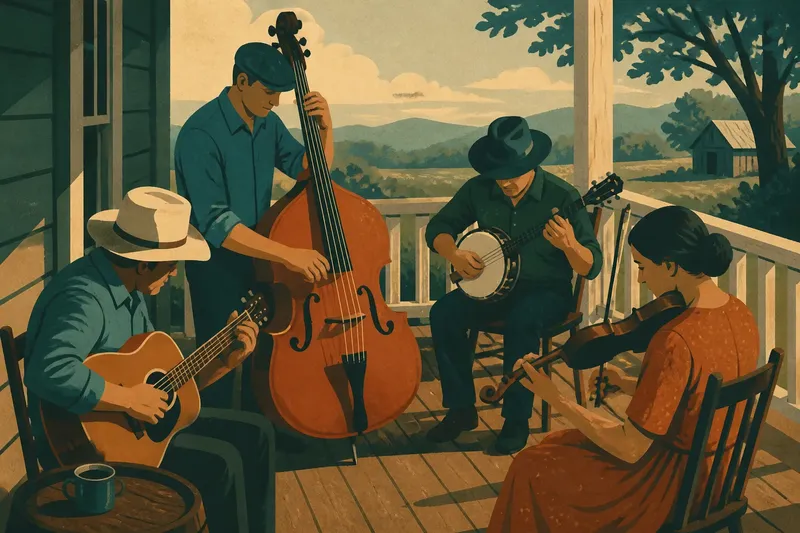
Say you are arranging a tune for fiddle, banjo, and guitar, and the melody seems to rush even though the players agree on the tempo. Imagine the banjo adding a flurry of notes between fiddle phrases; if the banjo player removes those extra notes and the guitar keeps a steady chord pattern audible, the pulse should be easier to follow without slowing the tune.
Separate the parts
When fiddle and banjo play the same melody at full strength in the same register, their attacks can pile up. The result may feel dense without making the tune clearer.
Give the instruments different jobs. The fiddle can carry the full melody while the banjo punctuates phrase endings or supplies a spare rhythmic figure. Or let the banjo state the tune while the fiddle answers with held notes or brief accents.
Register and phrasing can help the parts stand apart. A small octave change, fewer notes, or a short response may give the lead more room than a second continuous melody.
Make room to dance
A crowded arrangement may have too many parts demanding attention at once: a hard-driving banjo lead, a busy fiddle line, constant guitar strumming, and active bass movement can obscure phrase changes and the beat.
First decide what the lead must communicate. If dancers need a clear melodic cue, let the fiddle state it plainly and thin the banjo part. If the tune’s character depends on a buoyant rhythmic figure, let the banjo lead and ask the fiddle to use fewer, longer notes.
Deliberate gaps help, too. A brief pause before a repeated phrase can make the melody’s return easier to notice, while lighter accompaniment gives the lead room without draining the tune of energy.
Shape the phrasing
A lead can be clear yet lack lift. A fiddle line with little rhythmic emphasis may float above the groove, while a banjo melody that gives every note equal weight can sound mechanically even. Often, the phrasing needs attention more than the instrument choice does.
The fiddle player can use bow emphasis to distinguish strong points from passing notes. A banjo player can place melody notes clearly and keep the surrounding picking lighter instead of filling every gap.
Listen to the chord changes as well. A phrase that ignores a change can feel detached from the band; bringing a chord tone into focus as the harmony turns can connect either lead more closely to the tune.
Which lead fits the tune?
Which instrument carries a melody best?
Either can lead. Fiddle often suits a tune that needs a connected line, sustained notes, or a shaped run; banjo suits one whose crisp attacks and rhythmic outline are part of its character.
Can a banjo lead a dance tune?
Yes. A banjo can state a memorable melody with a bright, propulsive edge. Leave space around its notes and avoid unnecessary doubling to keep the part intelligible.
Should fiddle and banjo play together?
They can, as long as their parts have distinct roles. One can carry the tune while the other adds accents, a simplified version, or a contrasting phrase; unison is only one option.
How can a band choose without a rehearsal?
Listen for the tune’s strongest feature: a flowing melodic shape points toward fiddle, while sharply defined rhythmic notes may suit banjo. If the choice remains unclear, let each instrument lead one pass and notice which arrangement leaves the accompaniment easier to hear.
Compare the leads
Keep the tune and accompaniment steady while changing only the lead. Play one pass with fiddle in front, then another with banjo, listening for whether the melody stays recognizable, the pulse remains audible, and supporting parts have room to contribute.
A phone recording can help you hear which layer disappears in the room, but judge the result where people will dance. Choose the lead that clarifies the tune’s main job, not simply the one that sounds loudest; switching leads between sections or sharing the melody selectively may work best. A clear fiddle or banjo dance tune arrangement lets each instrument contribute without obscuring the beat or the tune’s shape.